What comes to mind when you hear the words “young people”?
Did you know that 81% of young people felt they were negatively presented in the media? And The Children’s Society in 2025 reported that young people described being stereotyped by older people and feeling misunderstood. Young people are frequently discussed in the context of problems: crime, antisocial behaviour, unemployment, excessive social media use, poor school attendance and, increasingly, rising demand for mental health services.
When we repeatedly describe a generation through the problems associated with it, we can begin to see the problems rather than the people. We come up with terms that we have heard before such as “Snow Flake Generation” - characterising them as less resilient and more easily offended than previous generations.
Interestingly, recent stats don't support the assumption of the media. The King's Fund describes a substantial and consistent decline in smoking, alcohol and drug use among 16–24-year-olds since 2000. In England and Wales, first-time entrants to the youth justice system reached a record low in 2024.
But there are some things that are uniquely harder now...
According to NHS England, among 17- 19-year-olds, the proportion meeting the criteria for a probable mental disorder has more than doubled since 2017, from around 1 in 10 to almost 1 in 4. Among 8–16-year-olds, it has risen from around 1 in 8 to around 1 in 5.* NHS England
But there may be another part of the story.
Young people may also be becoming more willing to say, “I’m struggling.” In 2023, just over half (55.4%) of 17–24-year-olds who had a concern about their mental health reported seeking help or advice. Friends and family were the most common source of support, followed by online or telephone support, health services and education services.
We should be careful not to assume that every increase in demand represents a new mental illness. Some of it may reflect greater awareness, reduced stigma, and a generation that feels more able to put words to experiences that previous generations may have kept to themselves.
That isn't necessarily a problem. It may be progress.
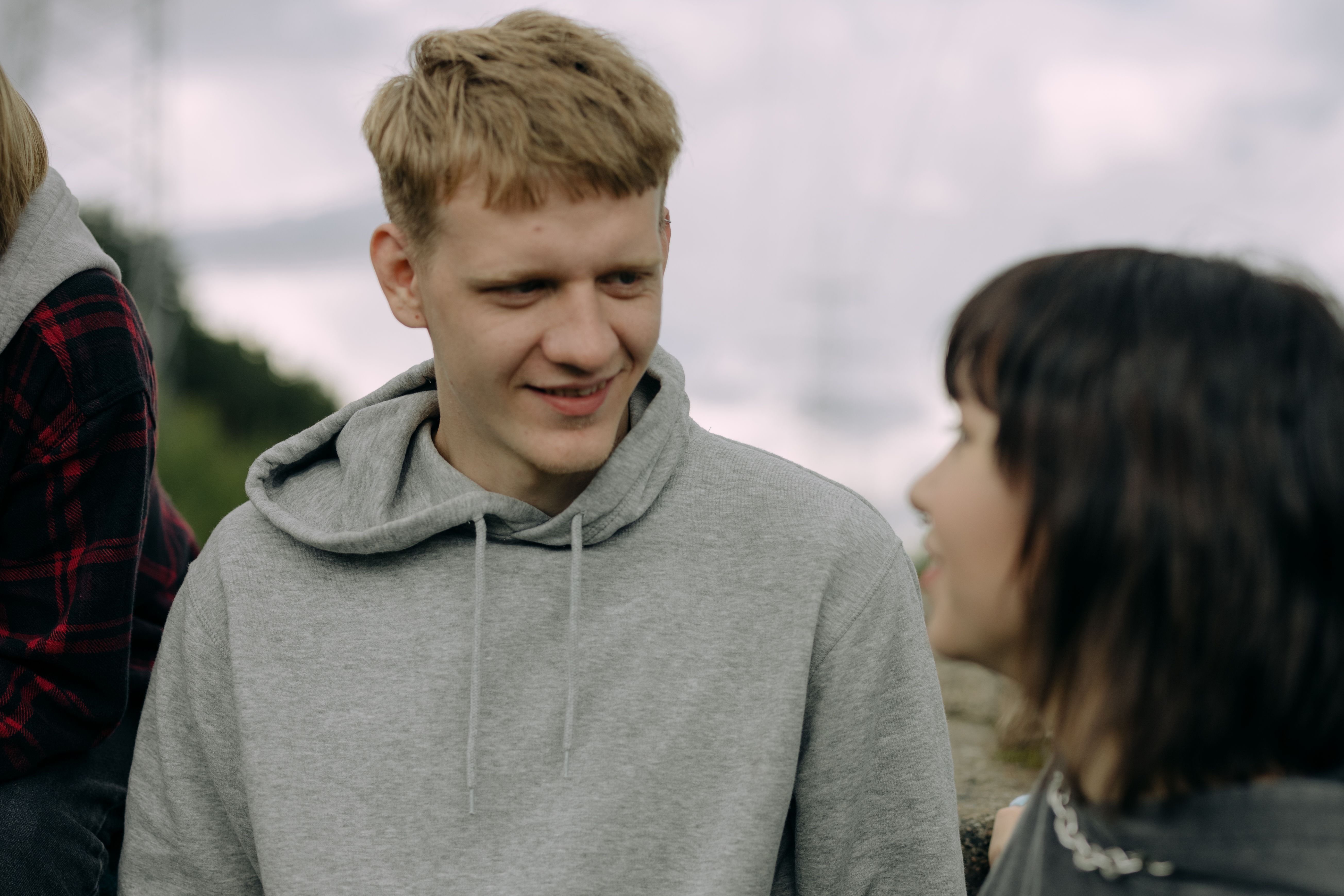
Being able to say, “I'm not OK” is something we should welcome. The question is what happens next. Do we listen? Do we dismiss? Do we rush to diagnose? Or do we create the space to understand what this particular young person actually needs?
At Kintsugi Hope we think it should be less about a hardship competition between generations. The more interesting question is: What is distinctive about the world young people are growing up in, and what do they need from the adults around them?
1. They are growing up in a world of unprecedented visibility and comparison.
Social media means that every decision about what a young person chooses to post online is analysed by millions, scored against algorithms, and compared by friends and people they admire. When what they need is to be accepted and loved for who they are, shown that the comparison game is facade and bring no lasting satisfaction.
2. They have access to enormous amounts of information, but not necessarily more wisdom.
Limitless answers and solutions are their fingertips, from AI search, Google and social media, quite often giving polarised answers rather than learnt wisdom from older generations. What young people need is trusted voices in their lives where they can ask questions with trust and mutual respect.
3. The future can feel both enormous and uncertain.
Imagine just starting out in life, when you should be feeling optimistic you are met with headlines and news about climate change, economic uncertainty, technological change. This bombardment of issues make adulthood feel less predictable. Previousgenerations had their own major uncertainties, but today's young people encounter these issues alongside a constantly connected information environment.
So, what can we do?
The current debate about rising demand for mental health services is important. Young people who are experiencing serious mental illness need access to excellent, timely clinical care. But what happens before serious mental illness care? There is a big space in-between a mentally healthy and supported young person and a young person who needs a clinical service and receives a diagnosis. Mental health is a sliding scale or a continuum that we can move up and down.
Early intervention starts before the NHS
Professor Peter Fonagy's work on the future of mental health provision has highlighted the importance of prevention and early intervention, and of thinking beyond the NHS. Because if we only intervene when a young person's difficulties have reached the point where they require a clinical service, we have already missed countless opportunities to help.
If you work with or have young people in your life, we encourage you to notice changes in behaviour, help young people talk about their feelings in an accessible way, keep inviting young people to groups where they might find belonging. Keep doing what you're doing and look out for new opportunities to connect with this generation.
Young people are people too, they aren't statistics or diagnoses, they are people with stories, relationships, hopes, dreams, created by God to change and impact this world.
This is part of why Kintsugi Hope Wellbeing Groups matter.
Groups create a safe, supportive space where people can talk honestly about life, mental health and the things that affect our wellbeing, without having to arrive with a diagnosis or wait until they are in crisis.
For young people, that kind of space can be particularly important. A trusted adult, a safe community and the freedom to talk about what is really going on can make a difference long before professional intervention becomes necessary.
Kintsugi Hope is a growing movement of churches and charities taking up the call to create safe spaces for their community. Will you join the movement?


